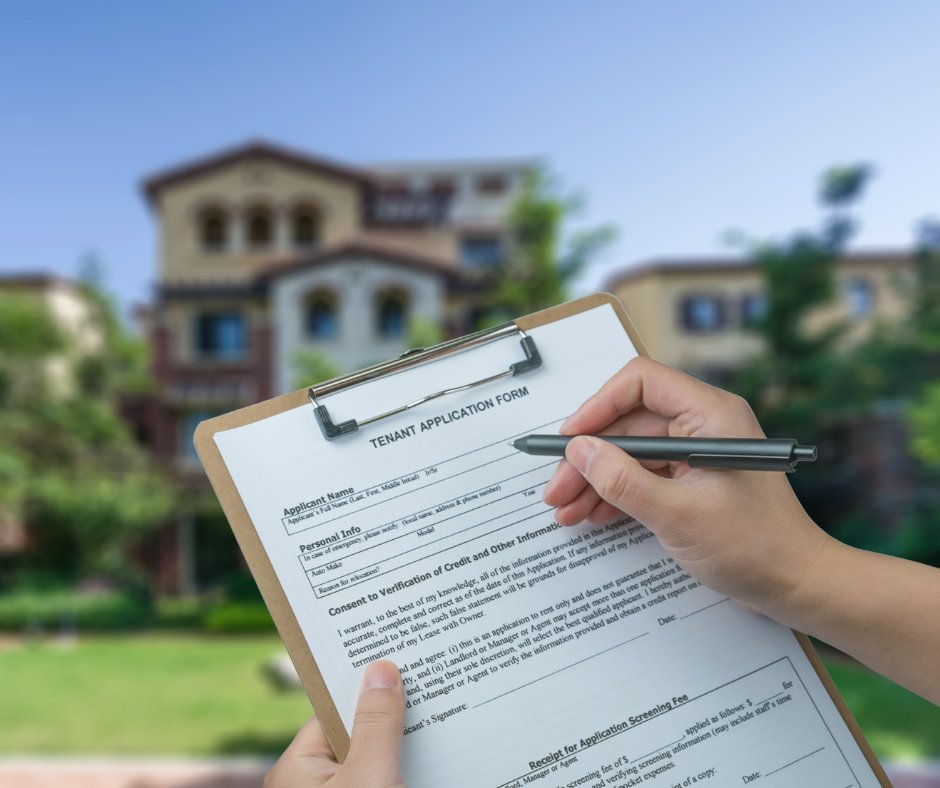
Navigating Townhouse Tenancy in Ontario: Your Comprehensive Guide
TL;DR
- Ontario’s Residential Tenancies Act, 2006 sets out the rights and responsibilities of residential tenants and landlords, and most townhouse rentals use the province’s Standard Lease form.
- Tenants have the right to a well-maintained home, 24 hours’ written notice before most landlord entries, limits on rent increases and protection from illegal eviction.
- Tenants are responsible for paying rent on time, keeping the home clean, repairing damage they cause, following the lease and any condo rules, and giving proper notice to move out.
- Disputes go to the Landlord and Tenant Board, a provincial tribunal that is part of Tribunals Ontario.
So, you’ve found the perfect townhouse to rent in Ontario – more space than an apartment, maybe a small yard, and room to settle in. Before you sign, it’s worth understanding how renting works in this province. This guide covers the basics of tenant rights and responsibilities so you can start your tenancy on the right foot.
The Rules That Apply
Most residential rentals in Ontario, including townhouses, are governed by the Residential Tenancies Act, 2006. It sets out what landlords and tenants must and must not do, and its protections apply even if a lease says otherwise – a lease term that conflicts with the Act is void. Disputes are decided by the Landlord and Tenant Board (LTB), a provincial adjudicative tribunal that is part of Tribunals Ontario. Either a tenant or a landlord can apply to the LTB about issues such as unpaid rent, maintenance problems, illegal rent increases or evictions.
A few living arrangements fall outside the Act – for example, if you share a kitchen or bathroom with the owner or the owner’s immediate family. If you’re renting a whole townhouse from a landlord, the Act will almost always apply.
Signing the Lease
For most private residential tenancies, Ontario landlords must use the province’s Standard Lease form. It records the rent, what the rent includes (such as parking or utilities), who pays which utilities, and any additional terms. If your landlord doesn’t provide it, you can ask for it in writing. Read the additional terms carefully: townhouse leases often spell out who handles snow removal, lawn care and minor upkeep.
Your Rights as a Tenant
- A safe, well-maintained home. Your landlord must keep the townhouse in a good state of repair and meet health, safety and maintenance standards, even if you knew about a problem when you moved in.
- Vital services. Your landlord cannot shut off or interfere with heat, electricity, water or fuel that they are responsible for supplying.
- Privacy. Except in emergencies or other limited cases, your landlord must give at least 24 hours’ written notice before entering, stating the reason and a time between 8 a.m. and 8 p.m.
- Limits on rent increases. Rent can generally be raised only once every 12 months, with at least 90 days’ written notice. For most units, increases are capped by the annual provincial guideline; units first occupied as residences after November 15, 2018 are exempt from the cap, but the timing and notice rules still apply.
- Fair deposits. A landlord can ask for a rent deposit of no more than one month’s rent, which is applied to your last month. Damage deposits are not allowed.
- Protection from illegal eviction. A landlord can end a tenancy only for reasons allowed under the Act, using the proper notice, and only the LTB can order an eviction. Changing the locks or removing your belongings without an order is not permitted.
Your Responsibilities as a Tenant
- Pay rent on time and in full, as set out in your lease.
- Keep the home reasonably clean and repair any damage you or your guests cause, beyond normal wear and tear.
- Respect your neighbours. In a townhouse with shared walls, noise and shared spaces matter – tenants must not substantially interfere with others’ reasonable enjoyment of their homes.
- Follow your lease and any condo rules. If the townhouse is part of a condominium, tenants must also follow the corporation’s declaration, bylaws and rules.
- Carry tenant insurance if your lease requires it – and it’s a good idea even if it doesn’t, since the landlord’s policy won’t cover your belongings.
- Give proper notice to move out. In most cases that means at least 60 days’ written notice, ending on the last day of a rental period, and not before the end of a fixed-term lease.
Townhouse-Specific Questions to Ask
Townhouses come with details that apartments often don’t. Before signing, confirm in writing who is responsible for snow shovelling, lawn and garden care, garbage and recycling, and replacing items like furnace filters. Ask whether utilities are separately metered, how many parking spaces are included, and whether there are any shared driveways or walkways. If you’re curious how shared spaces work in townhouse complexes, see our guide to access rights and risks within townhouse units.
When Problems Come Up
Start by raising the issue with your landlord in writing and keep copies of messages, receipts and photos. Most problems can be solved this way. If not, you can apply to the LTB. Avoid withholding rent to force repairs – unpaid rent can lead to an eviction application, so it’s better to keep paying and file your own application. Community legal clinics across Ontario offer free advice to eligible tenants.
Thinking About Buying Instead?
Renting is a great way to try out a neighbourhood before committing. When you’re ready to own, the picture changes: instead of paying rent, owners pay a mortgage, property taxes and, for condo townhouses, monthly condo fees. Whether you’re looking in East Gwillimbury, Georgina or elsewhere, explore our listings of townhouses for sale in Ontario to find your next home.
Frequently asked questions
What rights do tenants have in Ontario?
Under the Residential Tenancies Act, 2006, tenants have the right to a safe and properly maintained home, uninterrupted vital services, at least 24 hours’ written notice before most landlord entries, limits on how often and how much rent can rise, and protection from illegal evictions.
What are a tenant’s main responsibilities?
Tenants are expected to pay rent on time, keep the home reasonably clean, repair damage they or their guests cause, avoid disturbing neighbours, follow the lease and any condo rules, and give proper written notice before moving out.
What is the Landlord and Tenant Board?
The Landlord and Tenant Board (LTB) is a provincial adjudicative tribunal, part of Tribunals Ontario, that resolves disputes between residential landlords and tenants under the Residential Tenancies Act. Only the LTB can order an eviction.
Is renting a townhouse different from renting an apartment?
The same basic tenant rights and responsibilities apply. However, a townhouse lease may assign extra duties, such as snow removal or lawn care, so read the agreement carefully and get any responsibilities confirmed in writing.
The newest townhouses on the market
Fresh listings, updated every 15 minutes.
 $1,099,00027 Islay Crescent, Vaughan3+2 bed · 4 bath · MapleCourtesy of RE/MAX METROPOLIS REALTY
 $475,000366 Chaffey Street, Welland3 bed · 2 bath · Lincoln/CrowlandCourtesy of ZOWN REALTY INC.
 $729,00068 - 39 Crab Appleway Way, Toronto3 bed · 2 bath · Parkwoods-DonaldaCourtesy of CENTURY 21 PERCY FULTON LTD.
 $384,9002603 PIMLICO Crescent, Blossom Park - Airport and Area3 bed · 2 bath · Emerald Woods/Sawmill CreekCourtesy of ROYAL LEPAGE PERFORMANCE REALTY
 $529,000Th112 - 36 Lee Centre Drive, Toronto2 bed · 2 bath · WoburnCourtesy of RIGHT AT HOME REALTY
 $819,0008 Zezel Way, Toronto3+2 bed · 4 bath · Dorset ParkCourtesy of DREAM VALLEY REALTY INC.